
Coding from Age 6: How Play-Based Robotics Is Shaping the Future of Learning
Across the world, more parents are asking the same question: when should children start learning coding? The answer might surprise you. Today, coding is no longer a complicated skill reserved for teenagers or university students. With the right tools, children as young as six can begin exploring logic, creativity, and artificial intelligence through play.
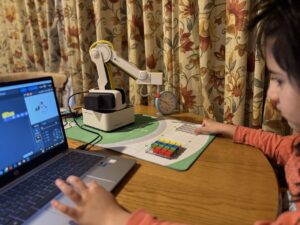
This isn’t about replacing childhood with screens it’s about transforming playtime into meaningful learning. Why Early Coding Education Matters More Than Ever?
We live in a world driven by technology, automation, and AI. Schools are slowly adapting, but many families are already looking for practical ways to prepare their children for a digital future.
Introducing coding at a young age helps children:
Understand how technology works rather than just consuming it
Develop logical thinking skills
Build resilience through problem-solving
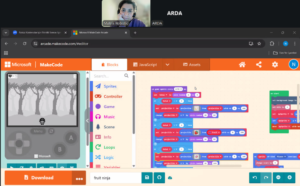
Instead of memorising complex syntax, young learners benefit most from interactive, visual experiences that make abstract ideas feel real. Learning Through Play, Not Passive Screens
One of the biggest misconceptions about coding education is that children must sit quietly behind a laptop. In reality, the most effective learning happens when movement, creativity, and curiosity come together.
Play-based coding activities allow children to:
Experiment freely
Learn from mistakes without pressure
Stay engaged for longer periods
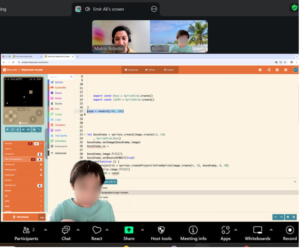
When coding feels like a game rather than a lesson, children naturally develop a deeper interest in technology.
The Power of Visual Flashcards in Teaching Coding
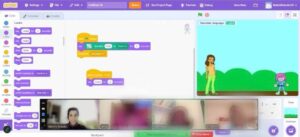
Young learners absorb information best through visuals. That’s why flashcards and step-by-step visual tools are incredibly effective when introducing coding concepts.
Visual learning tools make coding:
Simple — breaking down complex ideas into clear steps
Visual — turning commands into images and actions
Easy to understand — reducing frustration for beginners

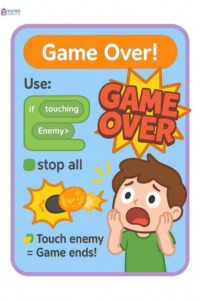
Instead of overwhelming children with technical jargon, visual methods help them grasp cause-and-effect relationships quickly.
Skills Children Develop Beyond Coding
Coding education isn’t just about writing commands. It builds essential life skills that extend far beyond technology.
Children who learn coding early often improve in:
Logical reasoning
Creative problem solving
Collaboration and teamwork
Communication skills
These abilities support academic growth and help children become confident learners in any subject.
Building Confidence Through Hands-On Experiences
Confidence is one of the most overlooked outcomes of coding education. When children successfully complete a small challenge — even something as simple as programming a movement or solving a puzzle — they experience a powerful sense of achievement.
Over time, this leads to:
Greater independence in learning
A willingness to try new challenges
A genuine love for discovery
Rather than feeling intimidated by technology, children begin to see themselves as creators.
No Experience Needed: Why Coding Can Be Beginner-Friendly
Many parents worry that their child might be “too young” or lack the necessary background. The truth is that modern teaching methods are designed specifically for beginners.
Entry-level coding programmes often focus on:
Step-by-step guidance
Visual instructions
Interactive challenges
Children don’t need previous knowledge or advanced reading skills. The emphasis is on exploration, not perfection.
Moving Towards AI, Robotics, and the Future of Education
As artificial intelligence becomes part of everyday life, education is evolving alongside it. Introducing children to robotics and AI concepts early helps them understand how machines think, move, and respond.
Hands-on robotics learning combines:
Coding fundamentals
Visual problem solving
Early exposure to AI concepts
By blending creativity with technology, children don’t just learn how to use tools they begin to understand why technology behaves the way it does.
A New Way Forward for Young Learners
The future of education isn’t about pushing children into complicated technical subjects too early. It’s about creating an environment where curiosity leads the way.
When coding is introduced through play, visuals, and teamwork, children develop far more than technical skills. They gain confidence, creativity, and a mindset ready for tomorrow’s world.
For families across the world looking to give their children a meaningful advantage, early coding education isn’t just a trend. It’s a powerful step towards a smarter, more creative future.
-
Product on sale
 Matris Animal RobotOriginal price was: £110.00.£100.00Current price is: £100.00.
 -
Product on sale
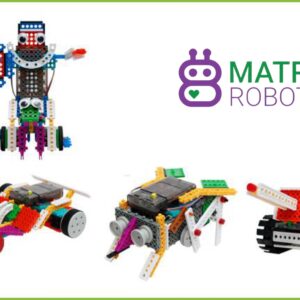 Matris Race RobotOriginal price was: £130.00.£120.00Current price is: £120.00.
 -
Product on sale
 Matris Smart RobotOriginal price was: £120.00.£110.00Current price is: £110.00.